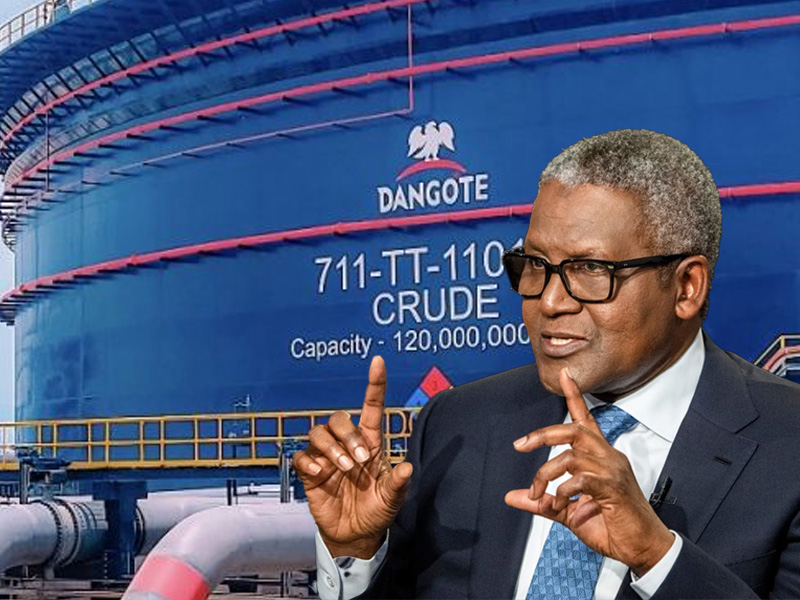
The President of Dangote Group, Aliko Dangote, has warned that the ongoing crisis in the Middle East could have serious economic consequences globally, noting that some countries might return to remote working arrangements similar to the period of COVID-19 pandemic.
Dangote made the remark on Monday after meeting with Nigeria’s President, Bola Ahmed Tinubu, at his residence in Lagos.
Expressing concern over the rising uncertainty in global oil prices, Africa’s richest man said the situation could force governments to adopt emergency economic measures, including encouraging workers to operate from home as was done during the pandemic.
According to him, some countries have already begun adjusting their work schedules to cope with rising energy costs.
“In some countries today, what they’ve done is ask everybody to work from home because they cannot afford the cost,” Dangote said.
He cited an example of Indonesia, where workers reportedly attend the office only four days a week as authorities monitor the economic situation.
Dangote warned that if the conflict continues to escalate, governments may have no choice but to adopt stricter cost-saving measures, including a wider shift to remote work.
He also noted that the crisis could worsen inflation, particularly in energy prices, adding that ordinary citizens and small businesses would be the most affected.
“People who run small businesses such as barbers, bakers, and small industries that rely on generators will feel the impact the most,” he said.
Dangote further called for prayers and international intervention to end the conflict, stressing that the rising cost of fuel and other energy sources is already affecting many economies.
Speaking on President Tinubu’s recent state visit to the United Kingdom, Dangote commended the Nigerian leader for securing a £746 million infrastructure agreement, describing it as a sign of growing international confidence in Nigeria’s economy.
He added that the agreement would likely encourage other countries and investors to strengthen economic cooperation with Nigeria.