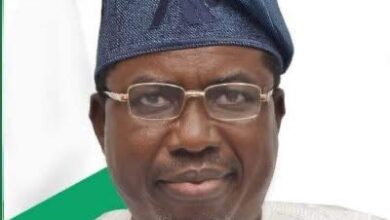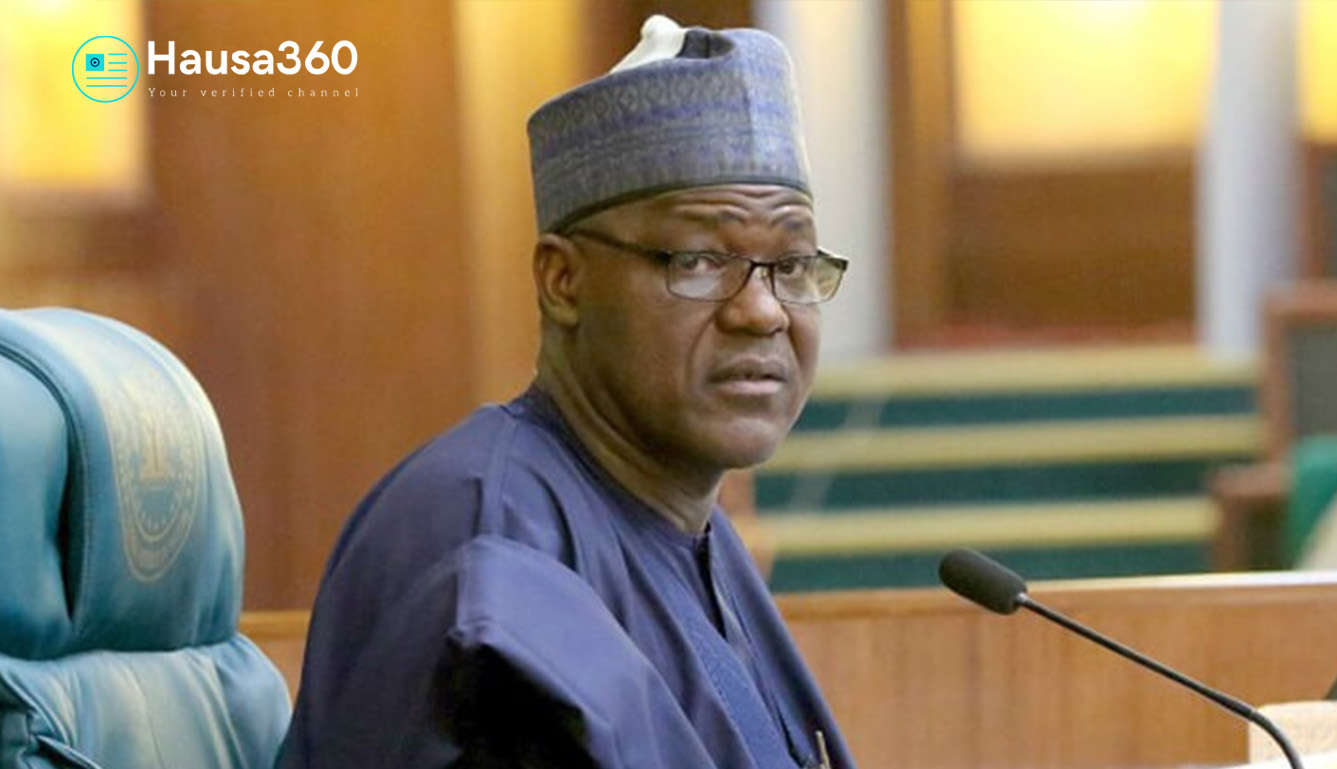
Former Speaker of the House of Representatives, Rt. Hon. Yakubu Dogara, has said the United States may take more than a passive interest in Nigeria’s 2027 general elections, driven by its strategic concern for Nigeria’s stability and influence on the African continent.
Dogara made the remarks during an appearance on Inside Sources with Laolu Akande on Channels Television, where he examined Nigeria’s position in the changing global order and the possible implications for its democratic process.
He warned that traditional international norms have weakened, creating a global environment where nations aggressively pursue their interests.
“The international order has collapsed. We are now at a point in history where you are either at the table or you are on the menu,” he said.
However, Dogara cautioned that merely having a seat at the table does not guarantee protection or influence, noting that power dynamics often favour the strongest players.
“To be very frank, being on the table does not guarantee that you won’t be on the menu. We have reached a stage where the strongest at the table devours the rest,” he added.
He stressed that Nigeria must act deliberately and strategically in global affairs or risk having its future shaped by external forces.
“If we don’t take the right steps and position ourselves properly, Nigeria’s future may be determined without our input,” Dogara warned.
The former Speaker highlighted Nigeria’s strategic importance to the United States and the international community, noting that instability in Nigeria could have far-reaching consequences across Africa.
“They cannot afford to allow Nigeria to fail because if Nigeria goes down, the ripple effect could fundamentally alter how Africa functions,” he said.
According to Dogara, this explains why global powers continue to closely monitor Nigeria’s political and democratic trajectory, including its electoral process.
“It is therefore in their interest to ensure that something is done. They may not openly admit that they will take more than a passing interest in the 2027 elections, but the interest is there,” he noted.
He added that, based on his observations and interactions, international attention on Nigeria is likely to intensify as the elections draw closer.
Addressing reports of lobbying efforts, Dogara said lobbying itself is not problematic, but raised concerns over claims that the Nigerian government paid $9 million to a US lobbying firm.
“Lobbying is not wrong. What I disagree with is the government paying $9 million to a US lobby group. That figure is quite high, and until I see evidence, it remains speculative,” he said.
He explained that engaging lobby groups is common practice among nations seeking to maintain influence and visibility in the US political system, but stressed that such engagements must be transparent and reasonable.
Beyond lobbying, Dogara placed Nigeria’s foreign policy challenges within the broader context of an increasingly unstable and rapidly evolving global order, calling for a more strategic and accountable approach to international engagement.