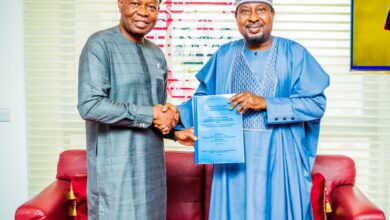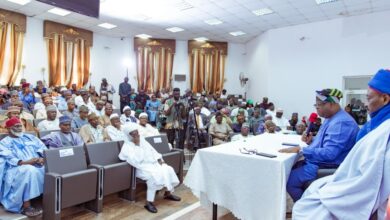
The Independent National Electoral Commission (INEC) has presented certificates of return to the newly elected chairpersons, vice chairpersons, and councillors from the 21 February area council elections in the Federal Capital Territory (FCT).
Among those honoured was the re elected Chairperson of Abuja Municipal Area Council (AMAC), Christopher Maikalangu, alongside his deputy, Mohammed Nadabo, and other successful candidates.
Presenting the certificates at the commission’s office on Wednesday, the FCT Resident Electoral Commissioner (REC), Aminu Idris, described the event as the formal conclusion of a credible, transparent, and successful electoral process.
Mr Idris said the exercise covered the six area council chairpersons and their deputies, as well as 62 councillors across the FCT. He congratulated the winners and reminded them that their victory represents the trust reposed in them by the electorate.
“Your election is a testament to the confidence the people have placed in you. I urge you to embrace your mandate with a strong sense of responsibility and work diligently to address the needs of your constituents,” he said.
The REC also commended stakeholders, including the Nigeria Police Force and political parties, for their contributions toward ensuring a peaceful and conclusive election.
Speaking after receiving his certificate, Mr Maikalangu expressed gratitude to God and the voters, describing the presentation as the “final bus stop” in the election process. He pledged to sustain his administration’s developmental efforts, with a strong focus on rural communities.
According to him, 80 per cent of projects and programmes under his leadership will be directed toward rural areas, where he said most development needs are concentrated.
“When you talk about local government, you are talking about the grassroots. I will continue to prioritise rural communities because that is where most of our work is needed. I thank the people for their support, and I will repay them with the dividends of democracy,” he said.
Mr Maikalangu added that infrastructure projects would be distributed based on the specific needs of each ward, mentioning Kabusa and Garki as areas requiring particular government attention due to their size and population.
He also extended an olive branch to his political opponents, calling for collaboration to advance the development of the council.