Global oil prices climbed above $100 per barrel on Sunday, the first time in nearly four years, as escalating tensions in the Middle East sparked fears of major disruptions to global energy supplies.
The two main crude benchmarks west Texas Intermediate and Brent crude surged by more than 15 percent when trading opened, reaching levels last seen during the early stages of the Russian invasion of Ukraine.
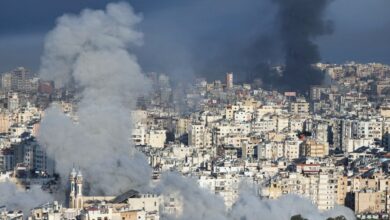
The spike in oil prices followed intensifying hostilities involving Iran, raising new concerns about stability in one of the world’s most important energy producing regions.
Strait of Hormuz Disruptions Fuel Market Fears
Much of the anxiety in the oil market is linked to the near halt of maritime traffic through the Strait of Hormuz, a vital global energy corridor responsible for transporting roughly 20 percent of the world’s crude oil and natural gas supply.
Energy analysts warn that prolonged disruption in the water way could severely tighten global supply chains.
Oil producers across the Gulf region have reportedly begun reducing output as security risks grow, while recent air strikes on fuel facilities in Tehran have raised fears of possible retaliatory attacks on energy infrastructure across neighbouring countries.
Trump Defends Iran War Decision
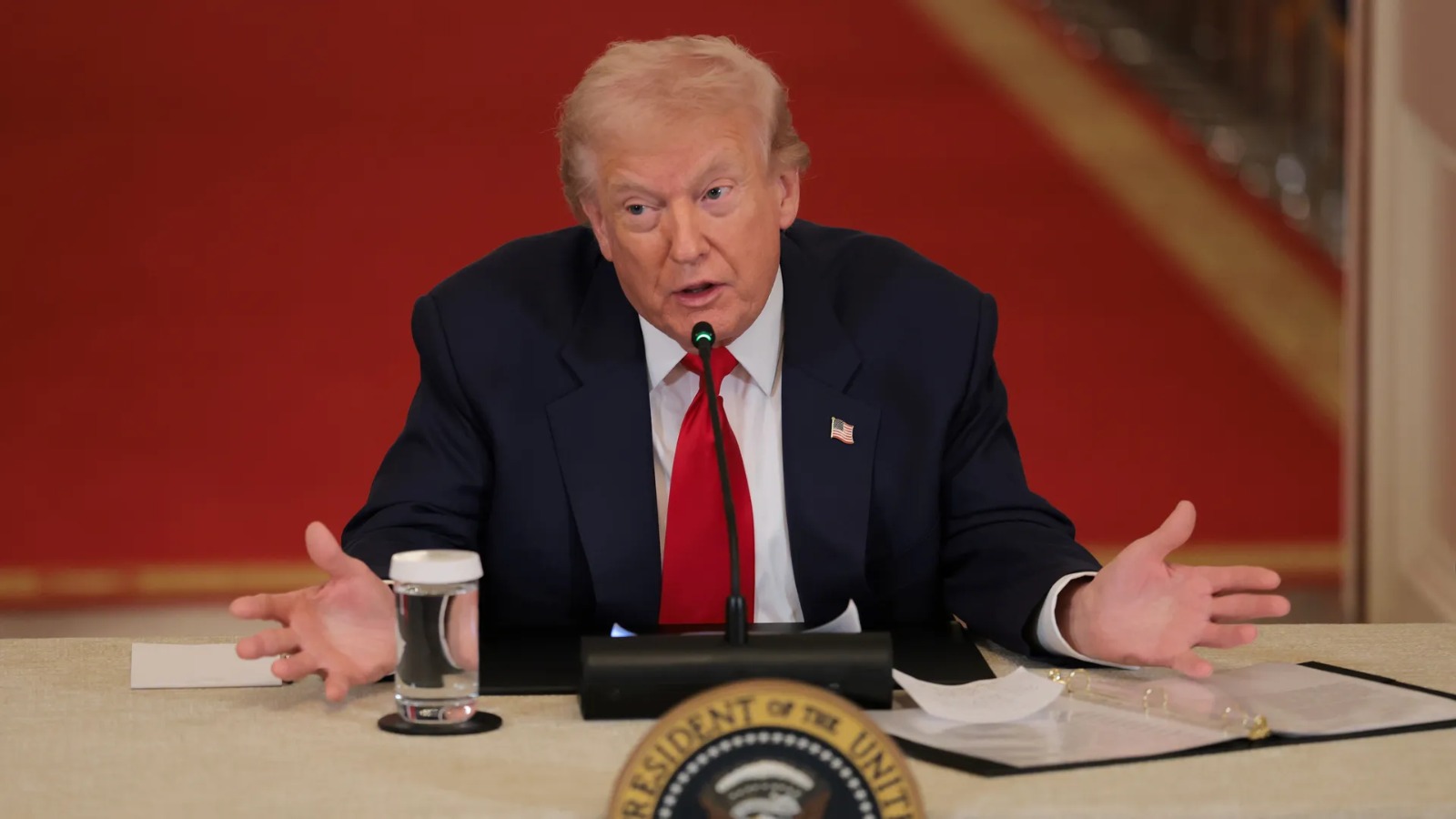
Despite the surge in global energy prices, Donald Trump defended the military action against Iran, arguing that the economic impact was necessary to eliminate what he described as Tehran’s nuclear threat.
In a message posted on social media, Trump said the temporary increase in oil prices was a small price to pay for long term global security.
“Short term oil prices, which will drop rapidly when the destruction of the Iran nuclear threat is over, is a very small price to pay for U.S.A., and world safety and peace,” he said.
US Officials Predict Temporary Disruption
Officials in Washington maintain that the disruption to oil markets may not last long.
According to Chris Wright, the global market remains well supplied and shipping activities through the Strait of Hormuz could resume soon, possibly with military protection for commercial vessels.
Meanwhile, Iran accounts for roughly four percent of global oil production, according to data from the U.S. Energy Information Administration, although international sanctions have significantly limited its oil exports in recent years.
Analysts say the direction of oil prices in the coming weeks will depend largely on whether tensions in the Middle East escalate further or diplomatic efforts manage to ease the conflict.