CBN Launches Crypto Supervision Pilot
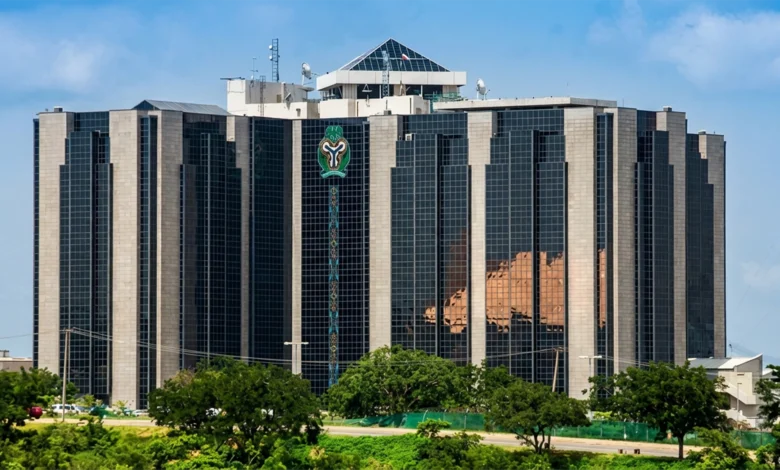
CBN’s Crypto Supervision Pilot Signals New Era for Nigeria’s Financial Market
The introduction of the Anti-Money Laundering, Counter Financing of Terrorism and Counter Proliferation Financing (AML/CFT/CPF) Supervision Pilot for selected Virtual Asset Service Providers (VASPs) marks a significant shift in Nigeria’s financial regulatory landscape. While it does not amount to full regulation of the cryptocurrency sector, the move indicates a transition from strict avoidance to controlled engagement with the digital asset market.
On March 30, 2026, the Central Bank of Nigeria announced the pilot programme, placing six companies — cNGN, Flutterwave, Juicyway, KoinKoin, KuCoin and Paystack — under formal supervisory monitoring for the first time. These firms are required to submit monthly compliance reports, undergo regulatory reviews and demonstrate readiness to implement the international “Travel Rule,” which mandates sharing transaction information between virtual asset platforms.
Although the apex bank emphasised that the initiative does not represent licensing or official approval, it is the most structured engagement yet between Nigerian regulators and the crypto industry.
Shift from Ban to Engagement
Nigeria’s relationship with cryptocurrency regulation has been marked by significant swings. In 2021, the Central Bank of Nigeria directed banks to close accounts linked to cryptocurrency transactions over concerns about financial stability and money laundering. Rather than halting crypto adoption, the policy pushed much of the activity into peer-to-peer trading, leaving large volumes of transactions outside the formal banking system.
Five years later, regulators are now directly engaging with key players in the ecosystem. Industry experts describe the pilot as a pragmatic adjustment aimed at monitoring risks rather than reversing policy entirely. The initiative focuses on compliance, data collection and financial crime monitoring, while broader regulatory authority for digital assets remains largely under the Securities and Exchange Commission (Nigeria).
Why These Six Companies Matter
Analysts believe the selection of participating firms reflects the government’s focus on major transaction channels in the crypto ecosystem. Payment giants such as Flutterwave and Paystack process large cross-border payments, while platforms like Juicyway and KoinKoin facilitate crypto-to-fiat conversions often used in remittance transfers. Meanwhile, KuCoin serves a large Nigerian trading community.
By supervising these platforms, regulators aim to gain visibility into how digital assets move between the crypto economy and the traditional financial system, especially in areas such as remittances and large-volume transactions.
Pressure from Global Financial Standards
The pilot programme is also linked to Nigeria’s efforts to improve compliance with global financial crime standards. The Financial Action Task Force placed Nigeria on its grey list in 2023 due to gaps in anti-money laundering enforcement. Meeting international standards — including implementing the Travel Rule for crypto transactions — is essential for the country to exit the list and maintain smooth international banking relations.
Failure to address these concerns could raise the cost of international financial transactions, complicate trade financing and disrupt remittance flows that are critical to Nigeria’s economy.
Read Also: Nigeria’s Banking Sector Under Pressure as CBN Pushes Financial Reforms
Implications for the Crypto Market
For participating companies, the pilot introduces new compliance obligations but also offers a form of credibility. Being included in the programme signals that these firms are working within Nigeria’s regulatory framework, which could increase investor confidence and attract institutional interest.
However, analysts warn that stricter compliance requirements may create challenges for smaller crypto firms that lack the resources to meet regulatory standards. The fact that later phases of the pilot are already scheduled — with no open application process — could also give early participants a competitive advantage.
Concerns Over Privacy and Transparency
The programme has also raised questions among crypto users regarding privacy and potential regulatory scrutiny. Some worry about what types of transactions may trigger investigation or monitoring.
While the Central Bank of Nigeria stated that all submitted information will be handled in line with the Nigeria Data Protection Act 2023, uncertainty remains about what specific user data will be collected and how it might be used.
A Turning Point for Nigeria’s Crypto Ecosystem
Nigeria remains one of the world’s most active cryptocurrency markets by retail trading volume. Much of this growth has been driven by demand for alternative payment channels, remittance solutions and protection against inflation.
The new supervision pilot signals that regulators are no longer ignoring the sector but are instead attempting to understand and manage its risks. Whether the initiative evolves into a comprehensive regulatory framework will depend on how authorities balance financial oversight with the innovation that has fuelled the growth of Nigeria’s digital asset economy.