INEC Consulting Over 2027 Election Date Amid Ramadan Overlap
Independent National Electoral Commission (INEC) says it is carrying out consultations to address concerns surrounding the timetable and schedule of activities it recently released for the 2027 general elections.
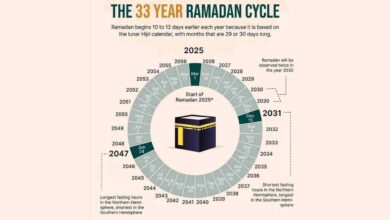
The commission explained that the concerns mainly relate to the dates fixed for the elections and their coincidence with the Muslim fasting period of Ramadan.
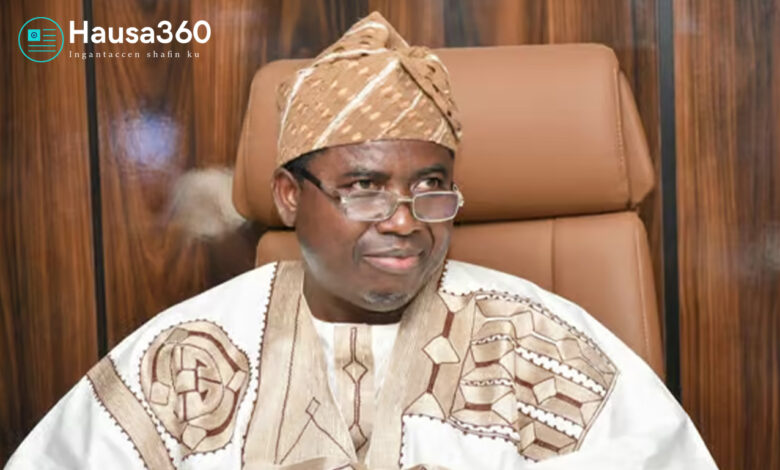
This was contained in a statement issued Friday night in Abuja by the National Commissioner and Chairman of the Information and Voter Education Committee, Mohammed Haruna.
Haruna noted that the timetable was released in line with legal provisions but assured Nigerians that, where necessary, INEC would seek appropriate legislative intervention to ensure inclusive participation in the elections.
Earlier, INEC announced that the presidential and National Assembly elections would hold on February 20, 2027, while governorship and State Houses of Assembly elections would take place on March 6, 2027.
The commission also fixed party primaries between May 22 and June 20, 2026, for the nomination of candidates.
However, some Nigerians—particularly Muslims—have expressed concern that the election date falls within Ramadan. They warned that the physical demands of fasting could affect voter turnout, logistics, and the performance of observers and electoral officials.
Among prominent voices calling for a review of the dates are former Vice President Atiku Abubakar and former presidential aide Bashir Ahmad.
Atiku stated that February 20 falls squarely within the Ramadan period, a time of fasting, reflection, and spiritual devotion for millions of Muslims.
Ahmad also argued that if the goal is to ensure full and inclusive participation in the electoral process, scheduling such an important national exercise during Ramadan could pose challenges for a significant segment of the population. He noted that many Muslims reduce engagement in demanding activities during the period to focus on religious obligations.
Responding to the concerns, Haruna said the timetable was developed in strict compliance with the timelines contained in the Constitution of the Federal Republic of Nigeria (1999, as amended), the Electoral Act 2022, and INEC’s Regulations and Guidelines for the Conduct of Elections.
He explained that the regulations—effective since 2019—provide that presidential and National Assembly elections should hold on the third Saturday of February in any general election year, while governorship and state assembly elections follow two weeks later.
Haruna added that despite complying with these legal and regulatory provisions, the commission has taken note of stakeholders’ concerns about the overlap with nationally recognised observances.
He assured the public that INEC remains sensitive to all legitimate concerns that may affect electoral participation and the overall conduct of elections, and that consultations are ongoing.
He further stated that the commission may seek legislative intervention if necessary to address the issues raised, while ensuring any adjustments remain consistent with constitutional and statutory requirements.
Haruna reaffirmed INEC’s commitment to transparency, inclusivity, and the credible conduct of the 2027 general elections, adding that the public will be informed of any further developments.