Kano Commissioner Urges Deputy Governor to Resign Over Political Differences
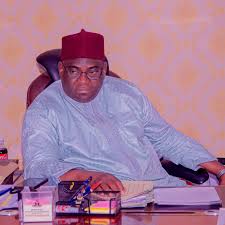
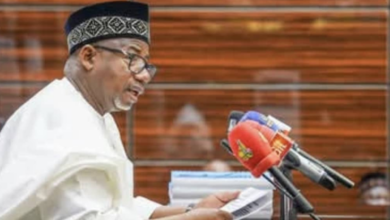
The Kano State Commissioner for Information and Internal Affairs, Ibrahim Abdullahi Waiya, has called on the Deputy Governor, Aminu Abdussalam Gwarzo, to resign if he can no longer politically align with Governor Abba Kabir Yusuf.
Waiya made the call during a live programme on Muhasa Radio while responding to questions over reports that the deputy governor has chosen to remain loyal to the Kwankwasiyya political movement led by Senator Rabiu Musa Kwankwaso, despite the governor’s recent political realignment.
According to the commissioner, political differences at the highest level of government could weaken trust and affect effective governance, particularly considering the deputy governor’s additional responsibility as Commissioner for Higher Education.
Waiya referenced the recent resignations of some commissioners who felt uncomfortable with the current political direction, suggesting the deputy governor should take a similar “honourable step” if he no longer shares the same political path with the governor.
He warned that governance thrives on unity and shared ideology, noting that mistrust could arise if a senior official remains in office while pursuing a different political agenda.
“If you sit in an Executive Council meeting where people are discussing how to build Kano and there is suspicion about where such discussions may end up, then there is a problem. Governance is about trust,” Waiya said.
The commissioner also suggested that personal political ambition might be influencing the deputy governor’s stance, describing Kano politics as highly competitive.
“Many people have aspirations, including the ambition to become governor. There is nothing wrong with that. But when personal interests begin to conflict with the direction of government, the most honourable option is to step aside and pursue those ambitions independently,” he added.
Waiya stressed that the final decision rests with the deputy governor, acknowledging that remaining in office is ultimately a personal choice.
“It is his decision. If he believes he can continue to work with the governor under the present circumstances, that is fine. But if I were in that position, I would have resigned and faced my political journey clearly,” he stated.
He concluded by reaffirming the administration’s commitment to the “Kano First” agenda, insisting that loyalty to the state’s development must take precedence over personal or factional interests.