Deaf Final Year Project Stress Story
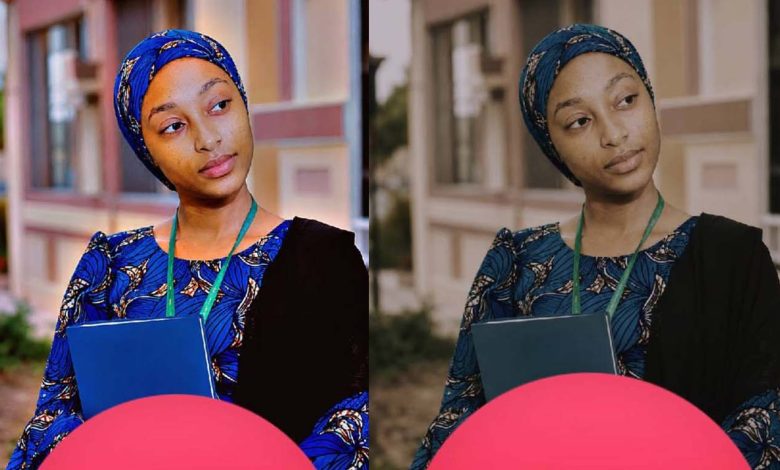
A trending academic reflection has emerged from a deaf final year student identified as Zainab Musa, who shared her emotional experience after submitting her final year project to her supervisor for review. The incident, which highlights the realities of Deaf Final Year Project Stress, has drawn attention to the communication and academic challenges faced by students with disabilities in higher institutions.
She narrated that she submitted her completed project sample with confidence after Friday Jumu’ah prayer, expecting approval for printing and binding, but was instead informed that corrections were required.
According to her account, the supervisor reviewed the work briefly before indicating that revisions were necessary. The feedback reportedly led to emotional distress, as she had believed the project was in its final stage.
She noted that, as a deaf student, communication barriers already make academic supervision more complex, and unexpected corrections added to the pressure of final year requirements.
The situation reflects broader concerns around Deaf Final Year Project Stress, particularly the difficulty students with hearing impairments face in real-time academic supervision and clarification of instructions.
Final year projects typically require repeated consultation, feedback cycles, and clear communication between students and supervisors—conditions that can be significantly challenging without adequate support systems.
The experience also underscores the importance of inclusive academic supervision frameworks in tertiary institutions. Effective support mechanisms, including accessible communication methods and structured feedback processes, are essential to ensure students with disabilities are not disadvantaged.
Educational stakeholders continue to emphasize the need for improved accessibility in supervision and academic assessment processes.
This case highlights the intersection of disability inclusion and academic pressure in higher education. While corrections are a standard part of academic development, the emotional toll can be higher when communication barriers exist.
It also reflects the psychological strain often associated with final year projects, where students must balance expectations, deadlines, and supervisory feedback.
The experience of Zainab Musa brings attention to the realities of academic stress among students with disabilities. It reinforces the need for stronger institutional support systems to reduce Deaf Final Year Project Stress and improve inclusive learning outcomes across higher institutions.