How the Iran War Is Affecting Global Oil Prices
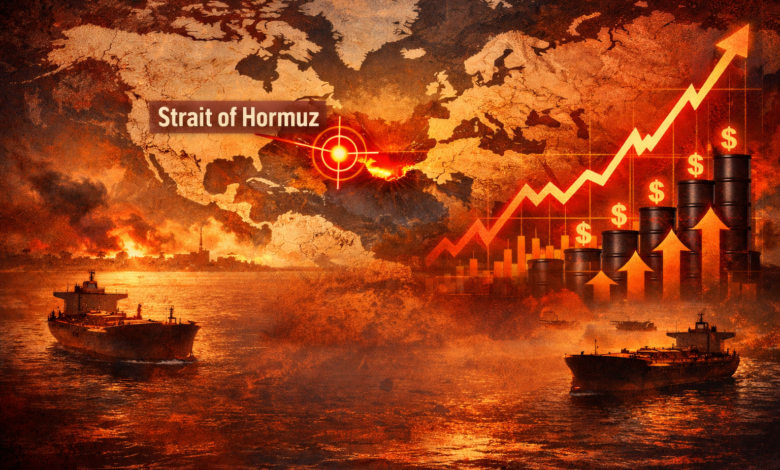
The ongoing conflict between the United States, Israel, and Iran in early 2026 has sent shockwaves through global energy markets, with crude oil prices experiencing sharp volatility and sustained upward pressure. Since fighting intensified, concerns about potential supply disruptions especially around the Strait of Hormuz, a vital transit point for nearly 20% of the world’s oil trade have pushed global benchmarks above $100–$120 per barrel in recent weeks.
Why Prices Are Rising
- Supply uncertainty: Military actions and the threat to key export infrastructure have thrown supply forecasts into disarray, leading traders to price in risk premiums.
- Strait of Hormuz fears: Disruptions or blockages in this narrow chokepoint could immediately remove millions of barrels per day from global markets.
- Market psychology: Even the risk of escalation drives speculative buying and shifts capital toward oil futures, soaking up available supply and boosting prices.
Global Economic Impacts
Higher oil prices feed directly into inflation by increasing transportation, manufacturing, and logistics costs. This raises consumer fuel prices and indirectly contributes to higher costs for goods and services worldwide, which in turn can slow economic growth. Some financial analysts estimate that persistent oil price hikes could shave off a few tenths of global GDP growth, even if broader supply chain disruptions remain limited compared with historical crises.
Who Wins and Who Loses
- Beneficiaries: Major oil producers and energy exporters typically see revenue windfalls as prices climb.
- Victims: Oil‑importing countries, especially those without strong fuel reserve policies, suffer inflationary pressures and higher operating costs across multiple sectors.
In summary, the Iran war is not just a regional conflict it is a global energy event with far‑reaching consequences, pushing oil prices higher, reshaping investment flows, and injecting volatility into markets that affect businesses and households around the world.