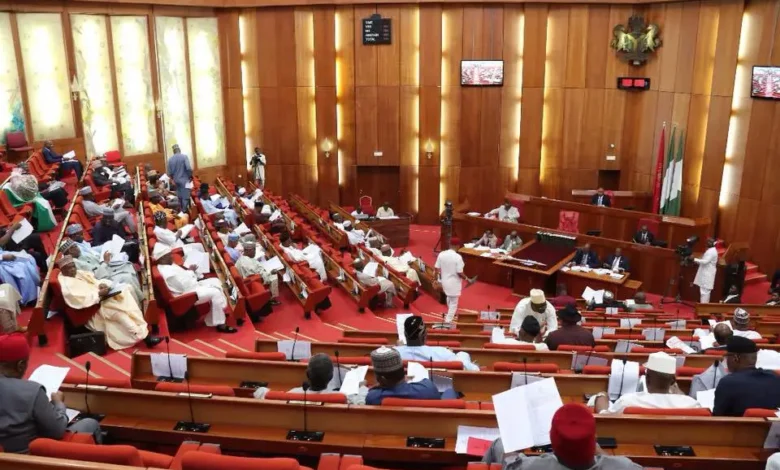
Nigeria is close to getting state police. On Tuesday, the Senate transmitted the 2026 sixth constitution amendment bill to President Bola Ahmed Tinubu for assent. This followed approval by the 36 state houses of assembly. The constitution requires the approval of only 24 states.
The Clerk of the National Assembly confirmed the 36-state approval on November 16. President Tinubu received the bill from his advisers on National Assembly matters, Senator Basheer Lado and Dr Wasiu Olanwaranju-Smart. He is expected to consult the Attorney-General of the Federation before signing.
However, state police will not start operating immediately. A separate law on national policing is still being drafted. It has been sent to the Federal Ministry of Justice for review. Until that law is passed, the constitutional amendment alone cannot establish the force.
Supporters say community policing will help. Nigeria currently runs a centralised police system, with the Nigeria Police Force handling security nationwide. State governments say they understand their communities better. They also say they can respond faster to kidnappings, banditry and communal crises.
Not everyone agrees. Senator Adams Oshiomhole said he supports state police in principle. But he warned that financial autonomy and independent oversight are essential. Without these safeguards, he said, the system would “spread oppression.” He also asked whether states can pay police salaries. He further asked how governors who cannot conduct free local government elections would run a state police force.
The Senate has asked for full operational guidelines before the system begins. The bill is now with the President. Even after he signs it, the national policing law must pass before any state police officer is recruited. That could take months.
For Nigerians worried about security, the simple question is: will state police make them safer, or will politics get in the way?