Reps Amend Electoral Act, Approve E-Service of Petitions
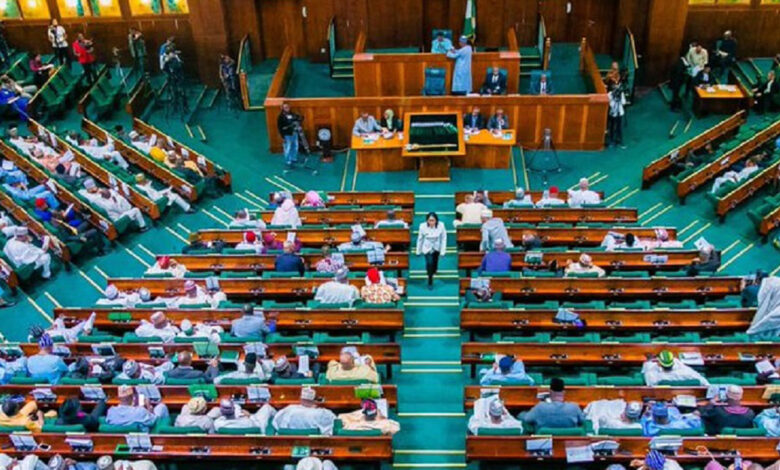
The House of Representatives has passed fresh amendments to Nigeria’s Electoral Act, introducing new provisions aimed at clarifying jurisdiction in pre-election matters and allowing electronic service of election petitions.
The bills were presented during plenary by Adebayo Balogun on behalf of Deputy Speaker Benjamin Kalu and were subsequently adopted by the House.
One of the key amendments seeks to resolve confusion over the appropriate courts for handling pre-election disputes. Under the revised provisions, aspirants challenging false information submitted by candidates can now file cases either in the Federal Capital Territory or in the location where the issue originated.
The amendment also introduces a new framework defining jurisdiction for different categories of pre-election cases. Matters relating to National Assembly, governorship, and state assembly elections will begin at the Federal High Court, while disputes involving presidential elections will originate directly at the Court of Appeal, with appeals proceeding to the Supreme Court.
Lawmakers said the move is intended to speed up justice delivery, reduce conflicting judgments, and strengthen the integrity of the electoral process.
In another major change, the House approved the use of electronic communication for serving election petition documents. Candidates will now be required to submit valid phone numbers, email addresses, and physical addresses during nomination.
Under the revised law, election petition processes may be served through email, SMS, or other electronic platforms, in addition to traditional methods such as personal delivery and registered post.
The amendment further states that proof of transmission—such as delivery reports or server records will be sufficient evidence that documents were successfully served, even if the recipient fails to acknowledge them.
During debate on the bill, some lawmakers raised concerns over the reliability of electronic communication and the risks of failed delivery or fraud. However, supporters argued that the legal system must evolve with modern technology, noting that electronic communication is already widely used in sectors like banking.
The latest amendments come months after President Bola Tinubu signed the Electoral Act Amendment Bill 2026 into law, following debates over whether electronic transmission of election results should be mandatory or optional.
While the current law still makes electronic transmission optional, the new amendments are seen as part of ongoing efforts to improve Nigeria’s electoral and dispute resolution systems.