Nigeria Plans Nationwide School Internet Connectivity to Boost Digital Learning
The Nigerian government has unveiled plans to connect all schools across the country to reliable internet, aiming to boost digital learning and integrate technologies such as Artificial Intelligence (AI) into classrooms.
According to the Ministry of Education spokesperson, Folasade Boriowo, the initiative aligns with President Bola Tinubu’s directive to expand digital infrastructure nationwide and ensure key sectors, including education, benefit from ongoing broadband and telecommunications investments.
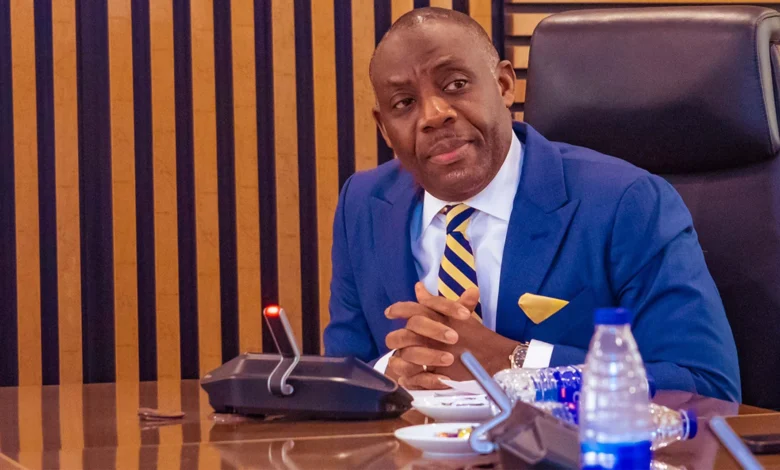
Minister of Education Tunji Alausa and Minister of Communications, Innovation and Digital Economy Bosun Tijani have met with stakeholders to coordinate the initiative, which will cover primary, secondary, and tertiary institutions.
Alausa explained that the plan builds on earlier efforts under the Nigerian Research and Education Network (NgREN), previously funded by the World Bank to provide broadband to tertiary institutions. While the initial program slowed after the funding cycle ended, the current initiative aims to revive and expand connectivity nationwide.
The government is deploying around 90,000 kilometers of fiber optic broadband infrastructure, installing 3,700 telecommunications towers particularly in rural areas and expanding satellite capacity to reach underserved communities. The initiative also aims to transition major national examinations, including WAEC and NECO, to Computer Based Testing (CBT).
Minister Tijani noted that while Nigeria hosts eight international subsea internet cables the most in Africa limited inland infrastructure has restricted connectivity. The ongoing fiber expansion and tower deployment aim to ensure schools and communities nationwide gain access.
The renewed program will leverage the governing council of NgREN, include representatives from foundational and secondary education, and implement two technical working groups to coordinate broadband access for all schools. The initiative is expected to produce visible improvements within the next three months, enhancing students’ access to digital learning platforms and emerging technologies.
Nigeria has attempted similar school connectivity programs in the past, including the 2001 SchoolNet Nigeria initiative and the NgREN project launched in 2012 for universities and research institutions. The current effort seeks to overcome past funding and maintenance challenges, ensuring digital infrastructure directly benefits students nationwide.