IMF Warns Middle East Economies Face Uneven Impact from Iran War
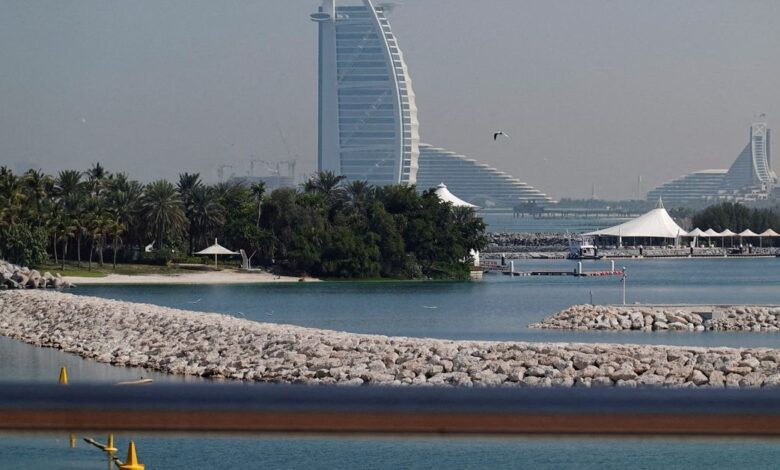
The International Monetary Fund (IMF) has said countries across the Middle East will be affected differently by the ongoing conflict involving Iran, with both oil exporters and importers facing significant economic pressures.
According to the IMF, disruptions to energy supplies are expected to weigh heavily on Gulf oil and gas exporters, while oil-importing nations such as Egypt and Jordan could face rising commodity prices and reduced remittances from workers in Gulf states.
The Fund projected slower economic growth across the Middle East and North Africa region, with GDP expected to expand by just 1.1% this year—well below pre-war forecasts—before a possible recovery in 2027.
The IMF also noted that the conflict is impacting not only oil and gas but other key sectors such as fertilisers, chemicals, aviation, and logistics, which play important roles in the region’s economy.
Growth in the Gulf Cooperation Council (GCC) is expected to slow to 2% in 2026, though a stronger rebound is anticipated in 2027 if oil production improves and trade routes like the Strait of Hormuz fully reopen.
The IMF added that countries like Saudi Arabia may be less affected due to alternative export routes and a more resilient non-oil sector.
The Fund reaffirmed its commitment to supporting countries in the region, highlighting the need for stronger infrastructure, diversified trade routes, and enhanced regional cooperation to manage the crisis.