“Negotiation Time Is Over” – Iran’s New Leader Alireza Arafa Warns Trump
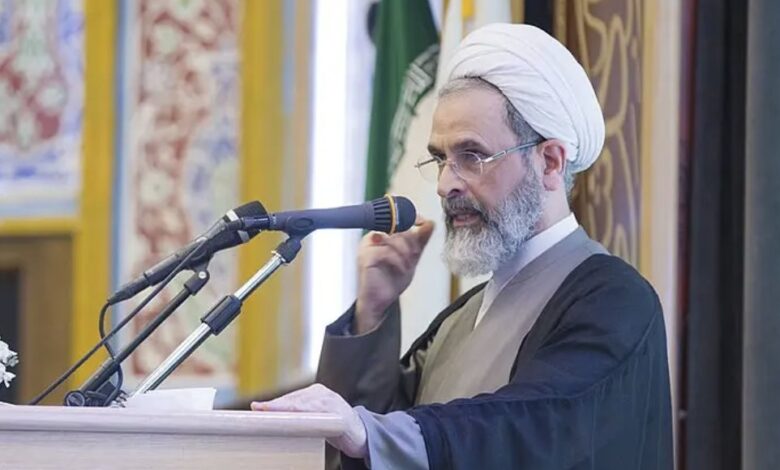
Iran’s newly declared Supreme Leader, Alireza Arafa, has issued a strong warning to the United States following recent military strikes on Iranian territory, declaring that the period for diplomacy has ended.
In a statement released on Tuesday and widely circulated on social media, Arafa accused the United States of crossing what he described as a “red line” after joint airstrikes by the United States and Israel targeted Iranian military facilities.
“The time for negotiations is over. The United States has chosen to cross the red line — the line of irreparable harm,” Arafa said in the statement.
He warned that Iran would respond to the attacks, saying Washington had entered a dangerous phase of confrontation.
“By launching this war, they have signed their own fate. They do not know when or how the consequences will come, but we hold the reins,” he added.
The remarks came days after coordinated airstrikes by the United States and Israel reportedly hit several strategic sites in Iran, including military installations and infrastructure.
The attacks followed months of rising tension between Tehran and Washington over Iran’s missile programme, regional influence, and alleged nuclear ambitions. The United States has long accused Iran of supporting armed groups across the Middle East — allegations Iranian authorities have consistently denied.
Iranian officials described the latest strikes as “unprovoked aggression,” insisting that the country had not initiated any hostilities.
Arafa also rejected Western claims that the strikes were aimed at preventing a nuclear threat.
“They raise the nuclear issue as a scare tactic while ignoring the reality,” he said. “They do not understand the full strength of Iran or what we are capable of.”
The Iranian leader also directed strong warnings toward Israel, suggesting that retaliation could follow.
“As for Israel, every action and every attack will have consequences,” Arafa said, adding that Iran would continue to monitor developments closely.
Security analysts say the escalating rhetoric and military actions could increase the risk of a wider conflict across the Middle East, potentially involving Iran-aligned groups operating in countries such as Lebanon, Syria, Iraq and Yemen.
Experts also warn that a prolonged conflict could disrupt global energy markets and increase instability across the region.
The international community is now under growing pressure to prevent further escalation as tensions between Tehran, Washington and Tel Aviv continue to rise.